One of the most common mistakes homeowners make is ordering the wrong type of dirt. Topsoil and fill dirt may look almost identical when delivered, but using fill dirt where topsoil is needed (or vice versa) leads to dead plants, sinking foundations, and wasted money.
Here's exactly how to know which one you need.
What Is Topsoil?
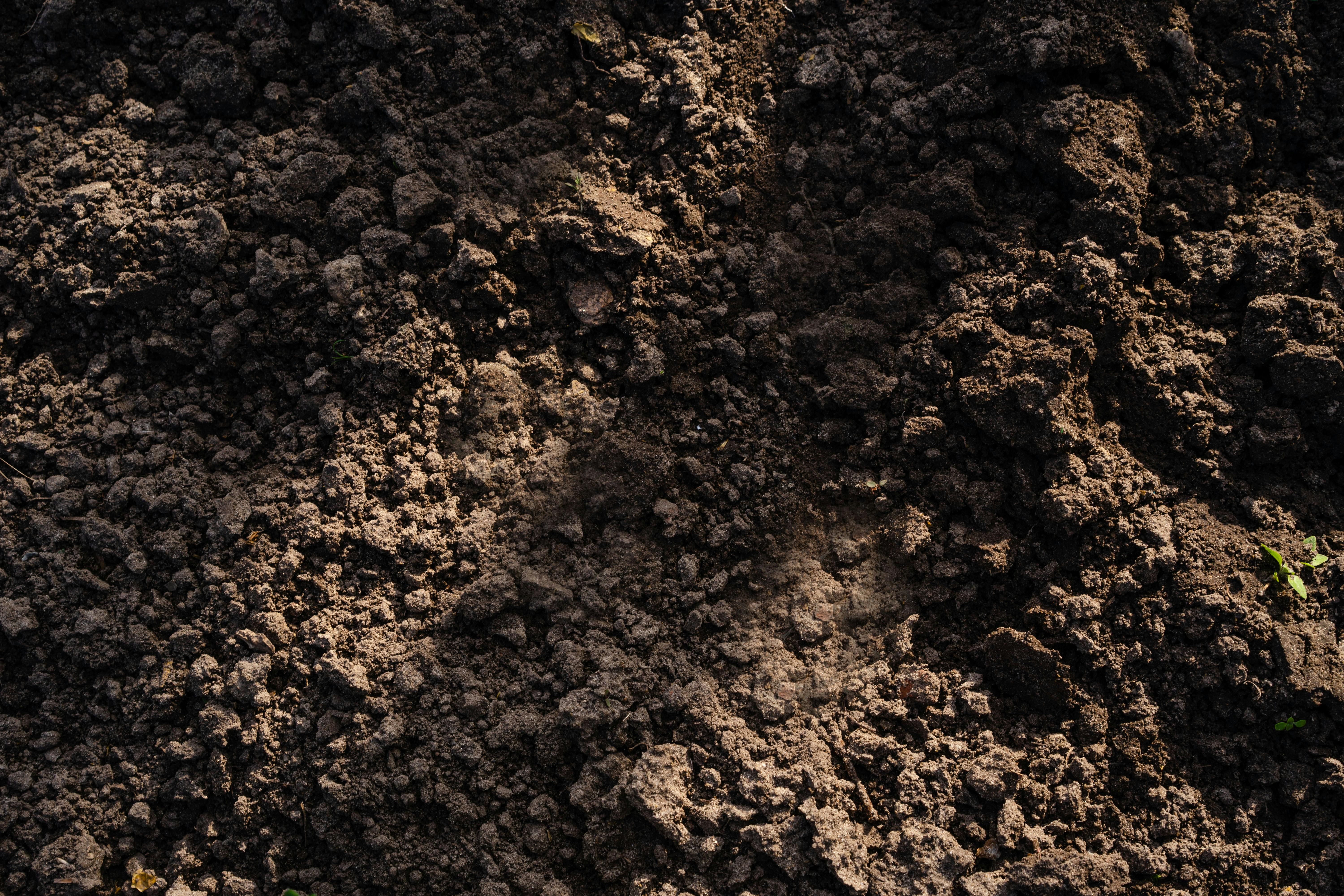
Topsoil is the nutrient-rich upper layer of soil — typically the top 4-12 inches of natural ground. It contains organic matter, microbes, and the nutrients plants need to grow.
Key features: - Dark color - Loose, crumbly texture - Holds moisture well - Full of nutrients
Use topsoil for: - Starting a new lawn - Garden beds - Vegetable gardens - Top-dressing existing yards - Anywhere plants will grow
What Is Fill Dirt?
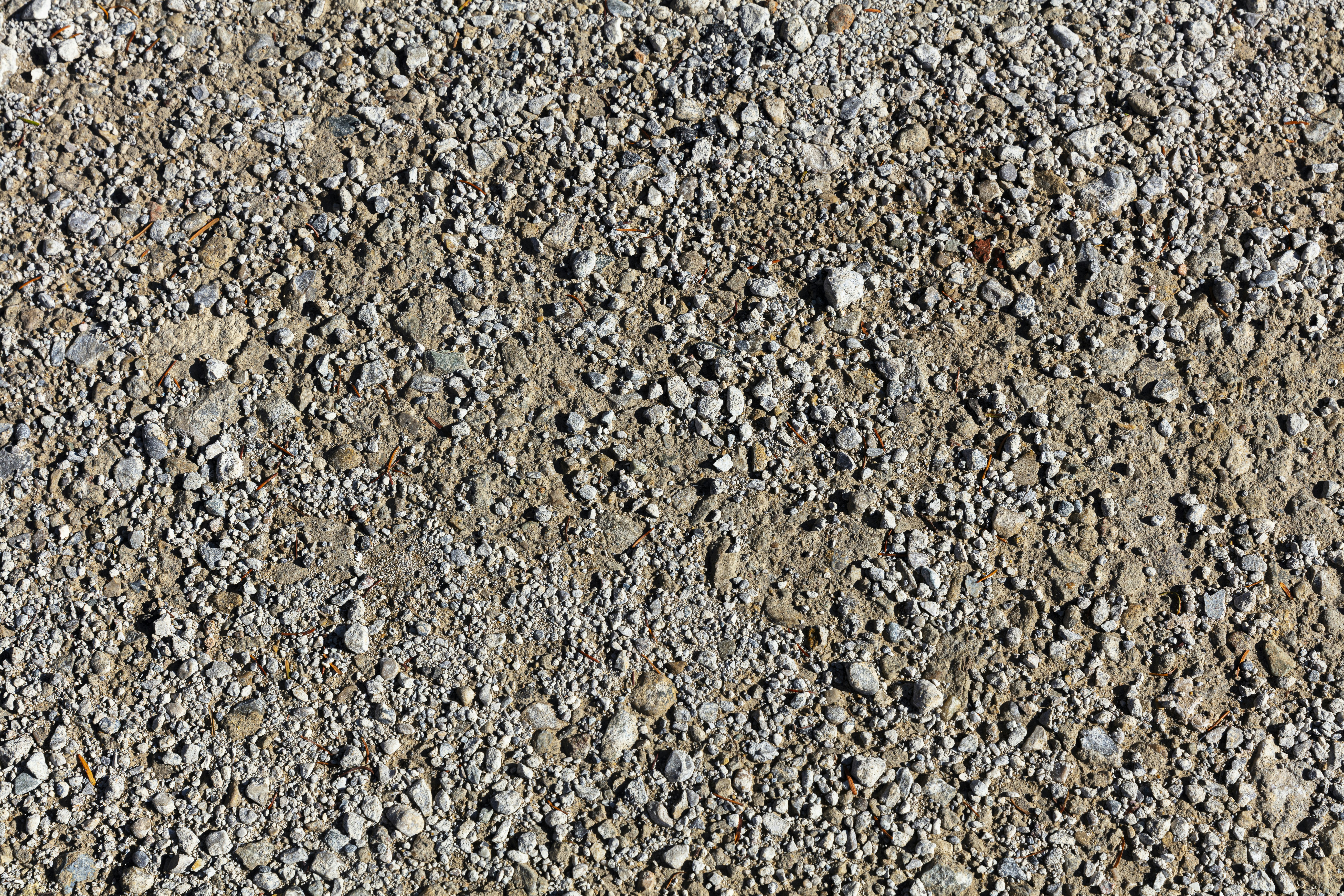
Fill dirt is subsoil — the dirt that sits beneath the topsoil. It has little to no organic material, doesn't support plant growth well, but compacts firmly and won't shift much over time.
Key features: - Lighter color, sometimes red or clay-like - Denser, often contains rocks or clay - Doesn't hold many nutrients - Compacts to a stable surface
Use fill dirt for: - Filling in low spots in yards - Building up grade around foundations - Filling old pools or large holes - Creating berms or sloped areas - Large landscaping projects
The Critical Difference
Fill dirt is structural. Topsoil is biological.
If you build up an area with topsoil, it will compress, sink, and shift — your project will fail.
If you plant grass or flowers in fill dirt, almost nothing will grow.
Common Project Examples
Filling a Low Spot Then Growing Grass Layer fill dirt to raise the grade, then top with 4-6 inches of topsoil before seeding.
Building a Raised Garden Bed Use topsoil mixed with compost — never fill dirt alone.
Filling an Old Swimming Pool Use fill dirt for the bulk of the volume, topsoil only at the surface if planting.
Red Clay vs Fill Dirt
In Georgia, you'll also see red clay sold separately. It's similar to fill dirt but denser and more impermeable — great for pond bottoms or erosion barriers.
How Much Do You Need?
Use this formula:
Length × Width × Depth (all in feet) ÷ 27 = Cubic Yards
Most dump truck deliveries carry 10-15 cubic yards per load.
Need Help Deciding?
Call (706) 366-3685 and tell us what you're working on. We'll recommend the right material and quantity, and deliver it where you need it across Columbus, Midland, Fortson, and beyond.